
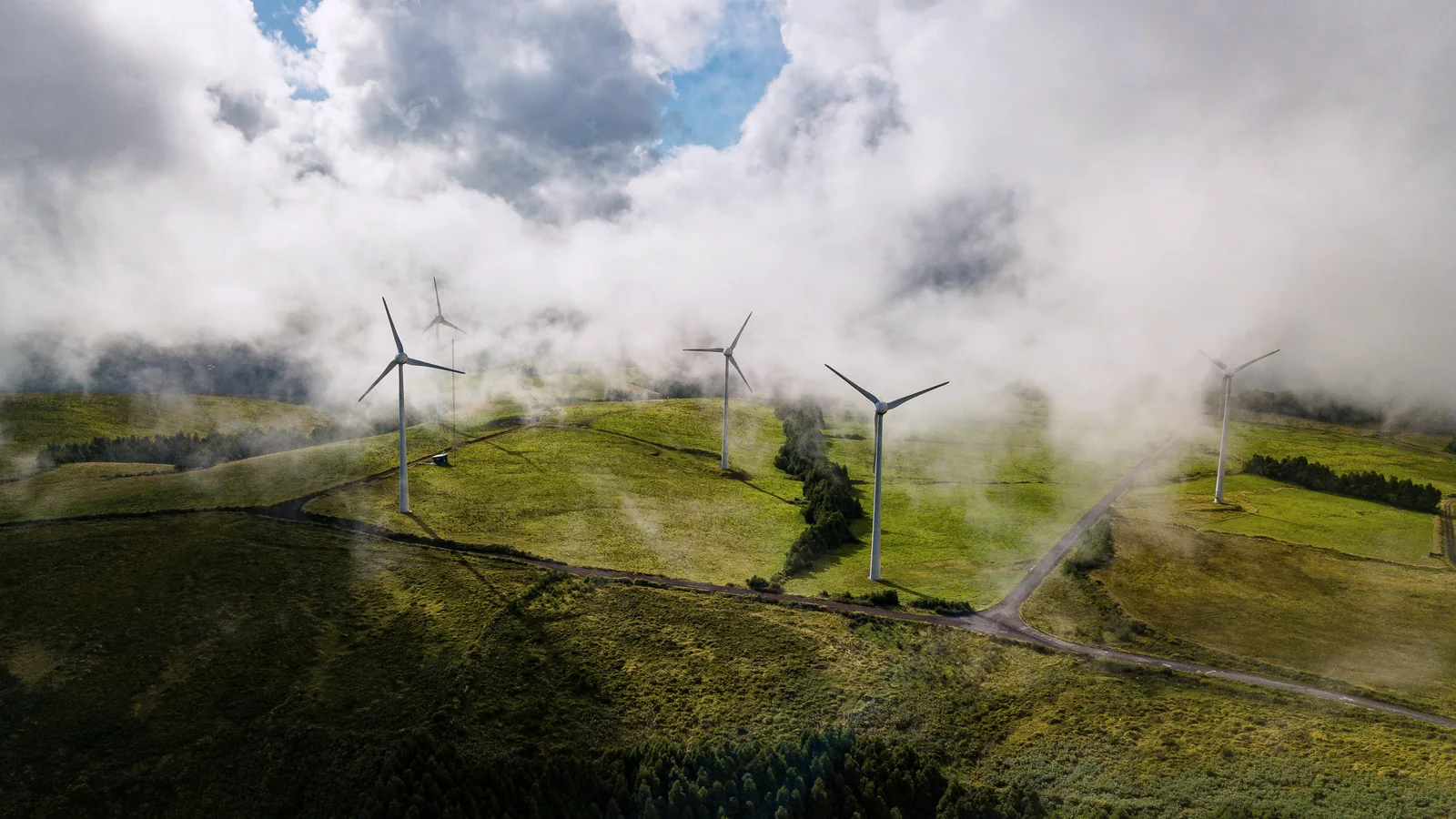
Wind energy in Ukraine: scale for long-term capital
How the wind resource, grid connection and construction readiness shape a Ukrainian wind project’s investment proposition.
Explore projects in the catalogueJurisdiction: Ukraine. Sources reviewed . Periodic review required. Next scheduled editorial review: . Material rule changes require earlier review.
An RTB wind claim needs evidence across the whole development
Assess a Ukrainian wind opportunity through site control, bankable resource work, environmental and construction scope, transport logistics, turbine procurement and grid completion. Readiness of the turbine pads alone does not establish readiness of roads, cables, substations or external network works.
A market preparing new capacity
The EBRD’s Elementum Energy project summary describes two planned wind farms of 58 and 200 MW and records approval on 22 July 2026. Financing approval does not mean the plants are operational. EBRD project summary.
Tillerstone’s view: these decisions demonstrate that prepared wind projects can be considered for institutional financing. Other owners need to demonstrate their own readiness rather than assume another transaction’s terms apply to their asset.
Four foundations of a convincing proposition
- Resource. Measurements, a long-term yield assessment and an explanation of uncertainty.
- Site. Land rights, environmental questions and community engagement.
- Construction. Oversized equipment transport, access roads, cranes and an agreed schedule.
- Connection and sales. Actual grid terms and a clear electricity sales model.
Account for turbine servicing, spare-parts availability, generation constraints and war exposure. Several yield and completion-cost scenarios give investors a basis for assessing the project’s resilience.
Make readiness visible
A Project Passport should show which milestones are complete and what the next capital commitment will fund. Tillerstone helps organise that information, prepare investor materials and agree further disclosure. The conversation with a potential partner can then begin with concrete facts and the next decision.
Wind readiness and residual-risk checklist
Table — scroll horizontally if needed
| Workstream | Evidence | Open question |
|---|---|---|
| Wind resource | Measurement history, methodology, uncertainty and energy-yield assessment | Are wake, loss and long-term assumptions supported? |
| Land and access | Rights for turbines, roads, cable corridors and works | Do holders and remaining terms fit the project? |
| Environment | Project-specific screening and required EIA decisions | Does the assessed scope cover associated infrastructure? |
| Construction | Current design and applicable permission route | Has a capacity/layout change created a gap? |
| Turbines and logistics | Procurement terms, access surveys and installation plan | Are transport and crane requirements costed? |
| Grid | Current package, unfinished works, funding and dates | Is operator progress distinguished from developer forecasts? |
Check EIA applicability under Article 3 of the EIA Law and the construction route under Article 34 of the Urban Development Law. The actual scope determines the analysis, not the stage label.
Find your next project
Explore projects in this technology
Looking for a personal shortlist? Share your investment criteria. Own a project? Submit it for consideration.
Reviewed 11 September 2026. Market examples come from public sources; commercial interpretations are Tillerstone’s editorial view. Mentioning an institution or company does not imply a partnership or that its assets are in the catalogue.
A practical perspective from Tillerstone. General information, not project-specific legal, technical, financial or investment advice.
Continue the conversation
A mandate worth discussing?
Share an initial outline. Keep project identities and confidential documents for the agreed private process.
Discuss your mandate