
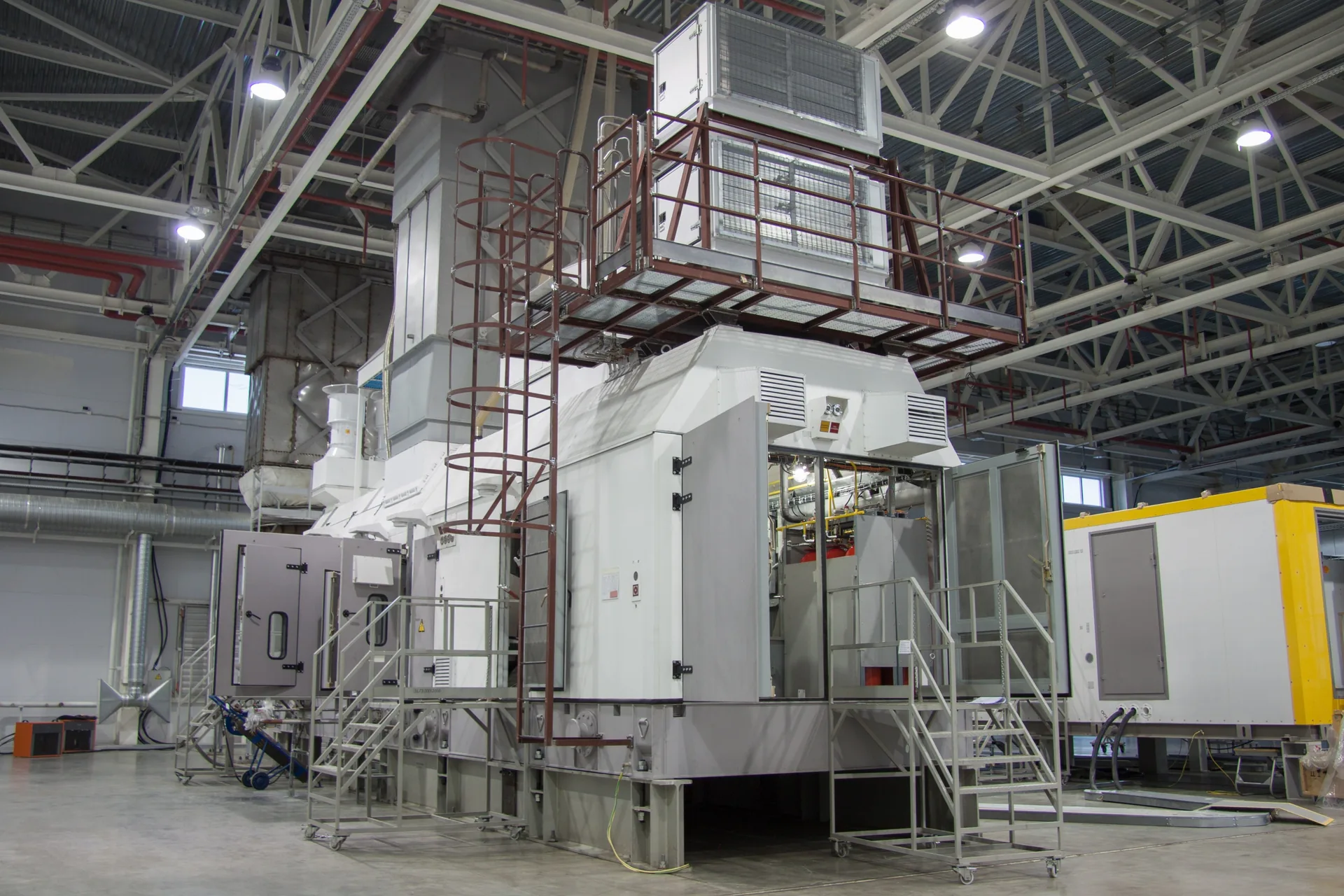
Gas generation in Ukraine: dispatchable power for business and the grid
Gas engines, turbines and cogeneration: where dispatchability creates value and what to prepare for an investor.
Explore projects in the catalogueJurisdiction: Ukraine. Sources reviewed . Periodic review required. Next scheduled editorial review: . Material rule changes require earlier review.
Price dispatchable generation around its operating duty
A gas-engine, turbine or CHP acquisition needs an evidenced duty cycle, fuel route, delivered electrical and thermal output, maintenance budget and customer or market arrangement. Dispatchability has value only within fuel, grid, equipment and commercial constraints.
Why dispatchability matters in Ukraine
The EBRD describes financing for Power One covering 36.8 MW of gas-engine plants and 31.5 MW of storage. This is an example of support for flexible generation, not evidence of profitability for every gas project. EBRD announcement on Power One.
Tillerstone’s view: the commercial opportunity emerges where a customer needs a defined supply pattern. For industry, this may be dispatchable electrical capacity; for cogeneration, a combination of electricity and heat demand. Each use case needs its own calculation.
Fuel, customer and operating duty
- Gas. Connection, available pressure and volume, supply terms and price scenarios.
- Electricity. Load pattern, grid connection, buyer and imbalance responsibilities.
- Heat. For cogeneration, an actual customer, temperature requirements and seasonal demand.
- Operation. Servicing, overhaul intervals, spare parts, permissions and emissions.
Useful heat creates economic value only where there is demand for it. Show electrical capacity, heat capacity, fuel consumption and operating hours separately. Sensitivity to gas prices and overhaul costs should be visible in the financial model.
Present a solution to a specific demand
Owners should explain what is already in place: the site, fuel infrastructure, equipment or customer agreement. Tillerstone helps frame a sale, equity participation or next-stage funding proposition and arrange an introduction to a relevant investor.
Gas and CHP acquisition checklist
Table — scroll horizontally if needed
| Factor | Evidence | Valuation question |
|---|---|---|
| Electrical / thermal scope | Rated and delivered output with separate units | Is CHP heat income supported by demand? |
| Fuel | Supply, pressure/quality, capacity and price terms | Does spark margin survive fuel and efficiency changes? |
| Customer | Signed electricity/heat route, volumes and credit | Who pays when demand falls? |
| Operating duty | Run hours, starts, load range and service intervals | Are overhaul and part-load costs included? |
| Interfaces | Grid, gas, heat network and site rights | Which works remain outside the equipment price? |
| Compliance | Project-specific licence, construction and environmental analysis | Does the actual configuration match the documents? |
Find your next project
Explore projects in this technology
Looking for a personal shortlist? Share your investment criteria. Own a project? Submit it for consideration.
Reviewed 11 September 2026. Market examples come from public sources; commercial interpretations are Tillerstone’s editorial view. Mentioning an institution or company does not imply a partnership or that its assets are in the catalogue.
A practical perspective from Tillerstone. General information, not project-specific legal, technical, financial or investment advice.
Continue the conversation
A mandate worth discussing?
Share an initial outline. Keep project identities and confidential documents for the agreed private process.
Discuss your mandate