
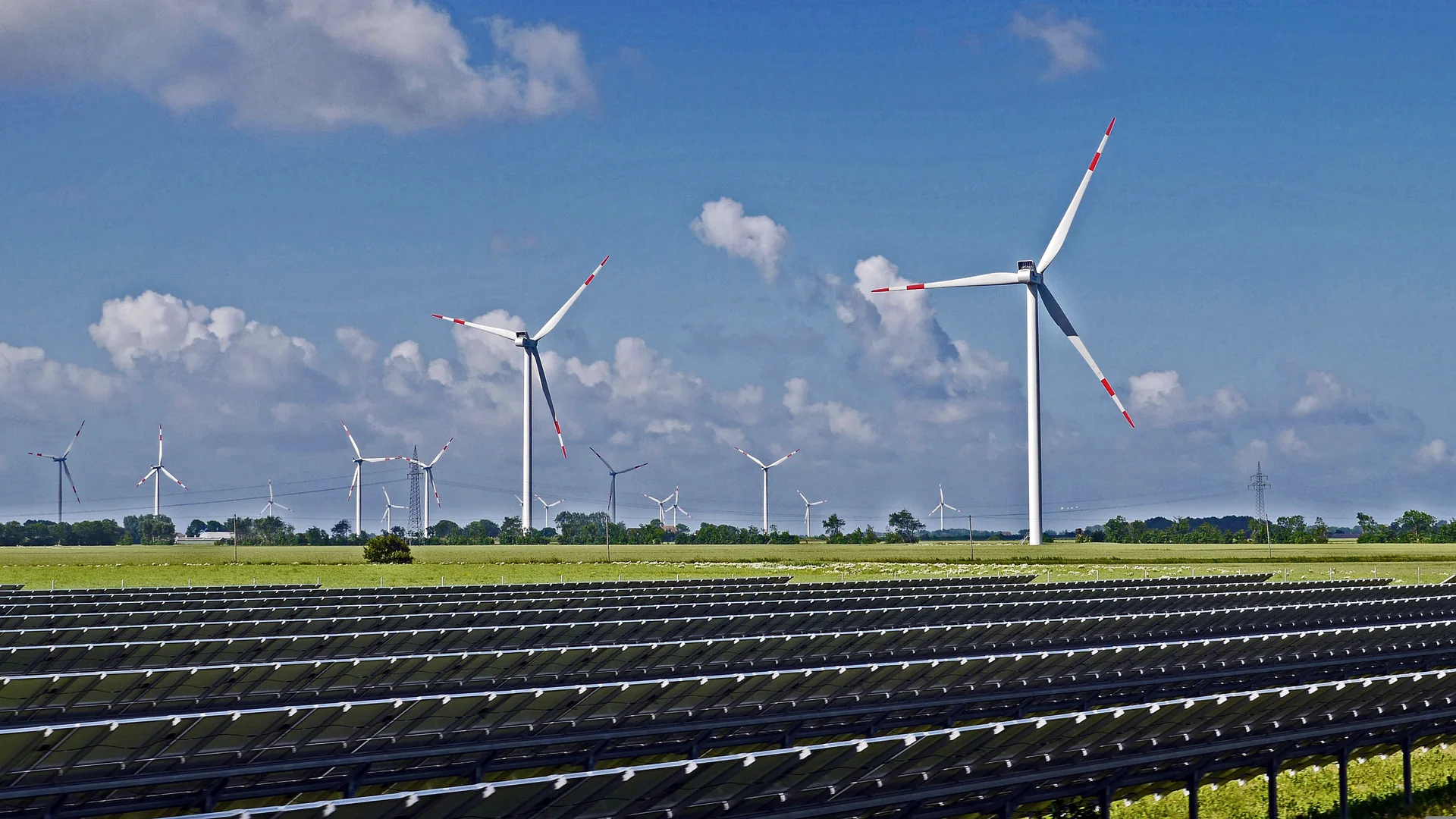
Hybrid energy projects in Ukraine: technologies working together
Solar, wind, gas generation and storage in a shared system: how to justify the combination and present it to an investor.
Explore projects in the catalogueJurisdiction: Ukraine. Sources reviewed . Periodic review required. Next scheduled editorial review: . Material rule changes require earlier review.
Co-location must prove commercial or infrastructure value
Solar plus BESS is not automatically a superior investment to standalone storage. Compare shared assets, grid rights, metering, dispatch constraints and incremental capital against a standalone case. Two technologies on one site do not by themselves establish economic synergy.
A combination already considered by financiers
The EBRD’s financing for a Kernel group solar project includes a 106 MW plant with co-located battery storage. It is a concrete example of generation and batteries being developed together in Ukraine. EBRD project announcement.
Tillerstone’s view: the hybrid opportunity lies in better matching a buyer’s needs. A second technology should provide measurable value after its added costs, losses, control complexity and connection constraints are accounted for.
Model the combined result
Compare the base project and the combined system using consistent assumptions. An hourly model should show where energy comes from, when storage charges and discharges, and what power passes through the shared connection point.
- State each technology’s MW separately and include MWh for storage.
- Do not treat the sum of nameplate ratings as guaranteed grid export.
- Define control, metering and revenue-allocation rules.
- Agree supplier responsibilities for equipment integration and servicing.
The value of the combination should remain understandable under lower prices, a delayed component or a grid restriction. This helps determine financing structure and construction phasing.
Present the logic of the combination
An investor needs to understand why these technologies belong together at this particular site. Tillerstone helps bring the components into one proposition, identify each component’s readiness and prepare materials for relevant investors. Basic publication after selection and owner approval is free; additional services are paid separately.
Standalone versus co-located decision matrix
Table — scroll horizontally if needed
| Factor | Standalone BESS | Solar + BESS / shared grid |
|---|---|---|
| Charging | Established grid import and trading route | Solar charging and grid charging analysed separately |
| Export | Battery rights and operating limit | Shared export headroom and priority rules |
| Cost | Dedicated land, connection and interfaces | Savings only for actual shared scope, less integration cost |
| Revenue | Battery services within its own constraints | Combined dispatch, support and attribute treatment checked |
| Ownership | One defined holder of essential rights | Rights, access and cost allocation between entities |
| Completion | Standalone critical path | Dependencies if one component is delayed |
Find your next project
Explore projects in this technology
Looking for a personal shortlist? Share your investment criteria. Own a project? Submit it for consideration.
Reviewed 11 September 2026. Market examples come from public sources; commercial interpretations are Tillerstone’s editorial view. Mentioning an institution or company does not imply a partnership or that its assets are in the catalogue.
A practical perspective from Tillerstone. General information, not project-specific legal, technical, financial or investment advice.
Continue the conversation
A mandate worth discussing?
Share an initial outline. Keep project identities and confidential documents for the agreed private process.
Discuss your mandate