
Ukraine’s renewable energy market: opportunities for private capital
How power-system recovery creates demand for solar, wind and flexibility — and what makes a Ukrainian project ready for an investor conversation.
Jurisdiction: Ukraine. Sources reviewed . Periodic review required. Next scheduled editorial review: . Material rule changes require earlier review.
A market thesis needs a transaction perimeter
An investor should enter Ukraine’s energy sector by defining the assets, development risks, revenue exposure and total completion capital it can underwrite. Public recovery programmes identify context; they do not establish that a particular opportunity is available or financeable.
Where to look for commercial value
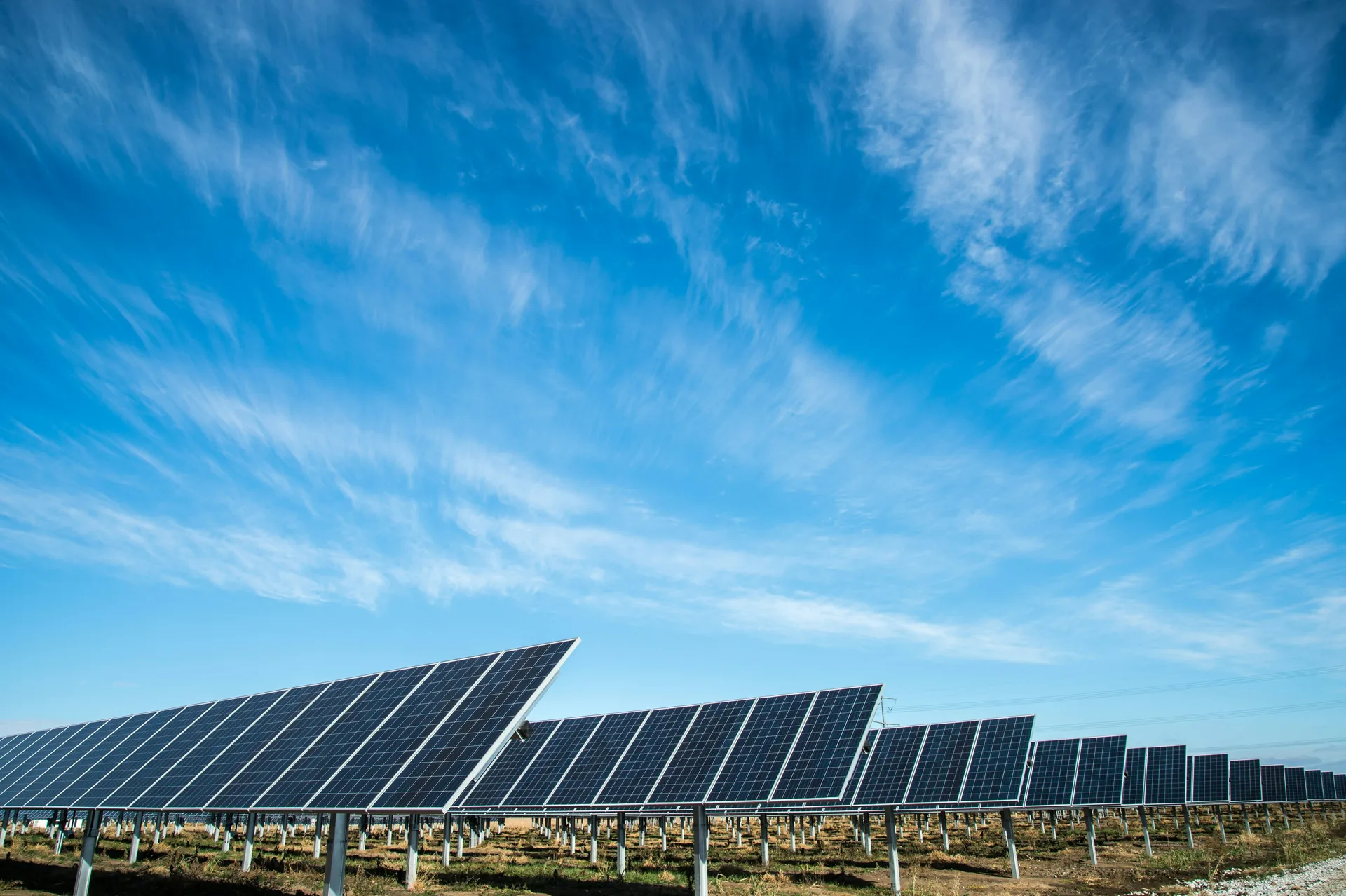
Solar offers a route into daytime demand and scalable projects. Wind brings a different hourly and seasonal generation profile. Storage helps manage delivery timing and power. The IEA’s 2025 assessment notes continued deployment of distributed generation and the growing role of batteries in Ukraine. IEA energy-security assessment.
Tillerstone’s view: assess the opportunity through the actual electricity buyer, grid terms and hourly economics. A national energy shortage alone does not determine a project’s selling price or financial outcome.
Renewables and the technologies that complement them
The wider renewable market also includes hydropower, bioenergy and other sources. Tillerstone focuses on solar, wind, gas generation, BESS and hybrid projects. Natural-gas generation is not renewable; storage retains energy rather than producing it. Both can complement solar and wind plants.
An operating-asset acquisition, an equity investment and construction funding need different information packages. Each requires clarity on site rights, the actual grid position, the buyer, the completion budget and operating responsibilities.
Turn market interest into a project shortlist
Define your technologies, acceptable stages, regions and investment structure. Tillerstone helps match those criteria with projects, prepare materials and arrange an introduction to the owner. Approved summaries are public; detailed documents follow an agreed disclosure process.
War exposure, insurance terms, grid constraints and market rules require transaction-specific assessment. Examples in the sources describe the wider market and do not imply that Tillerstone represents those assets.
A market-entry decision sheet
Table — scroll horizontally if needed
| Decision | Evidence to request | Implication |
|---|---|---|
| Operating or development | Commissioned scope or outstanding milestones | Different construction and cash-flow risk |
| Technology and capacity | Solar MW AC / MWp DC; BESS MW / usable MWh | Comparable inventory and budget |
| Revenue model | Existing contracts, market route and receipts | Underwrite collectible cash, not sector demand |
| Rights and grid | Current holder, documents, directional limits and unfinished works | Completion dependencies and residual CAPEX |
| Capital route | Sponsor funding, lender status and conditions | Programme context is not a commitment |
| Current availability | Dated seller reconfirmation | Public listing does not establish availability today |
Find your next project
Looking for a personal shortlist? Share your investment criteria. Own a project? Submit it for consideration.
Reviewed 11 September 2026. Market examples come from public sources; commercial interpretations are Tillerstone’s editorial view. Mentioning an institution or company does not imply a partnership or that its assets are in the catalogue.
A practical perspective from Tillerstone. General information, not project-specific legal, technical, financial or investment advice.
Continue the conversation
A mandate worth discussing?
Share an initial outline. Keep project identities and confidential documents for the agreed private process.
Discuss your mandate